Product usage, orders, marketing attribution, inventory, support tickets, returns — all in different tools. OWOX joins them in one governed library. Your product team self-serves cross-system reports in Google Sheets. No analyst queue. No CSV stitching.
"Which categories drive repeat purchases?" requires joining orders, marketing attribution, and customer behavior from three systems. Your analyst spends a week. By the time the answer arrives, the promotion is over.
Product decisions improve when you can join every system’s data in seconds instead of waiting weeks.
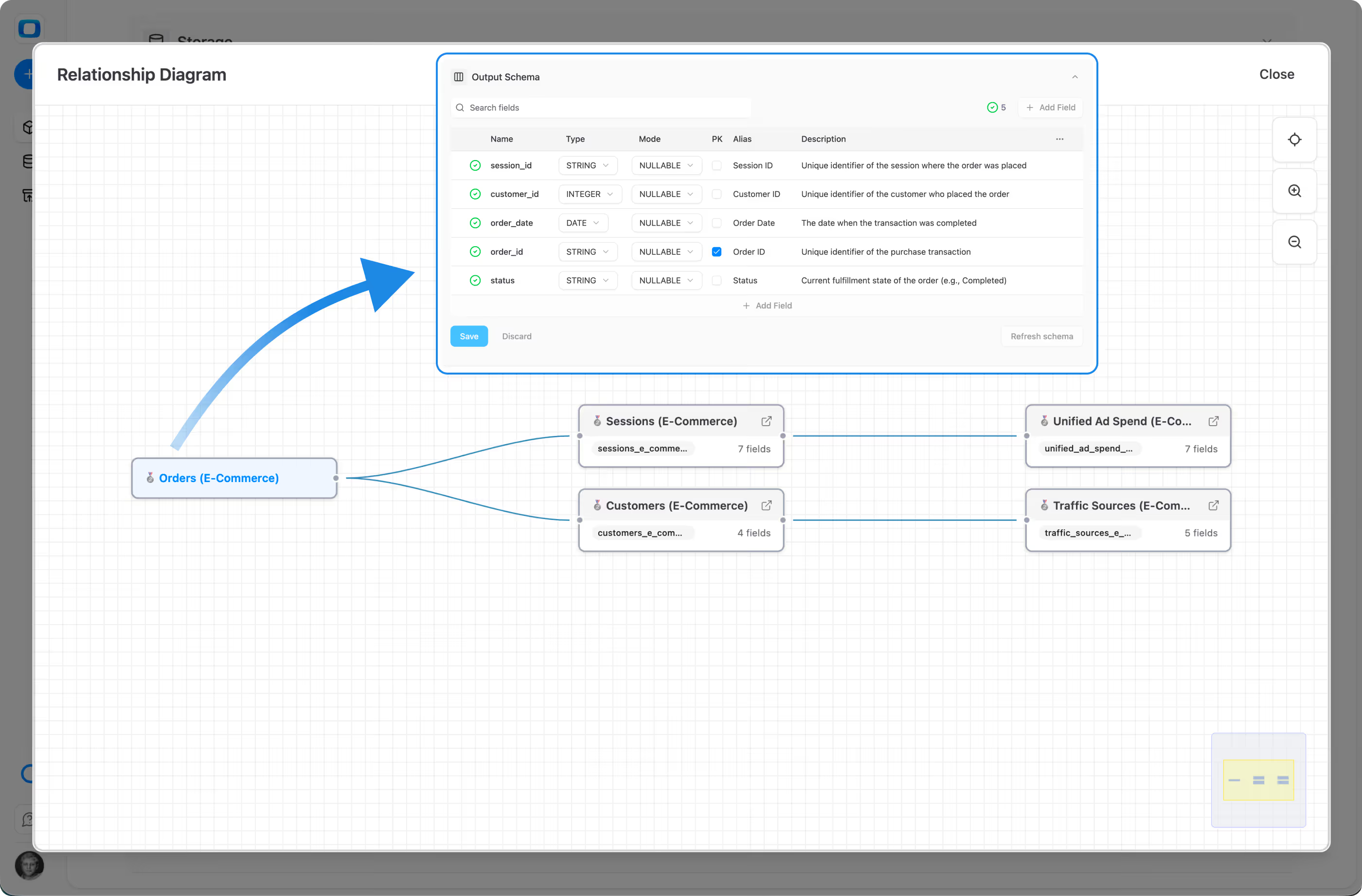
Get started free →Your data team joins product data from every system in the warehouse and publishes it as a governed library. Every metric gets one definition, one owner.
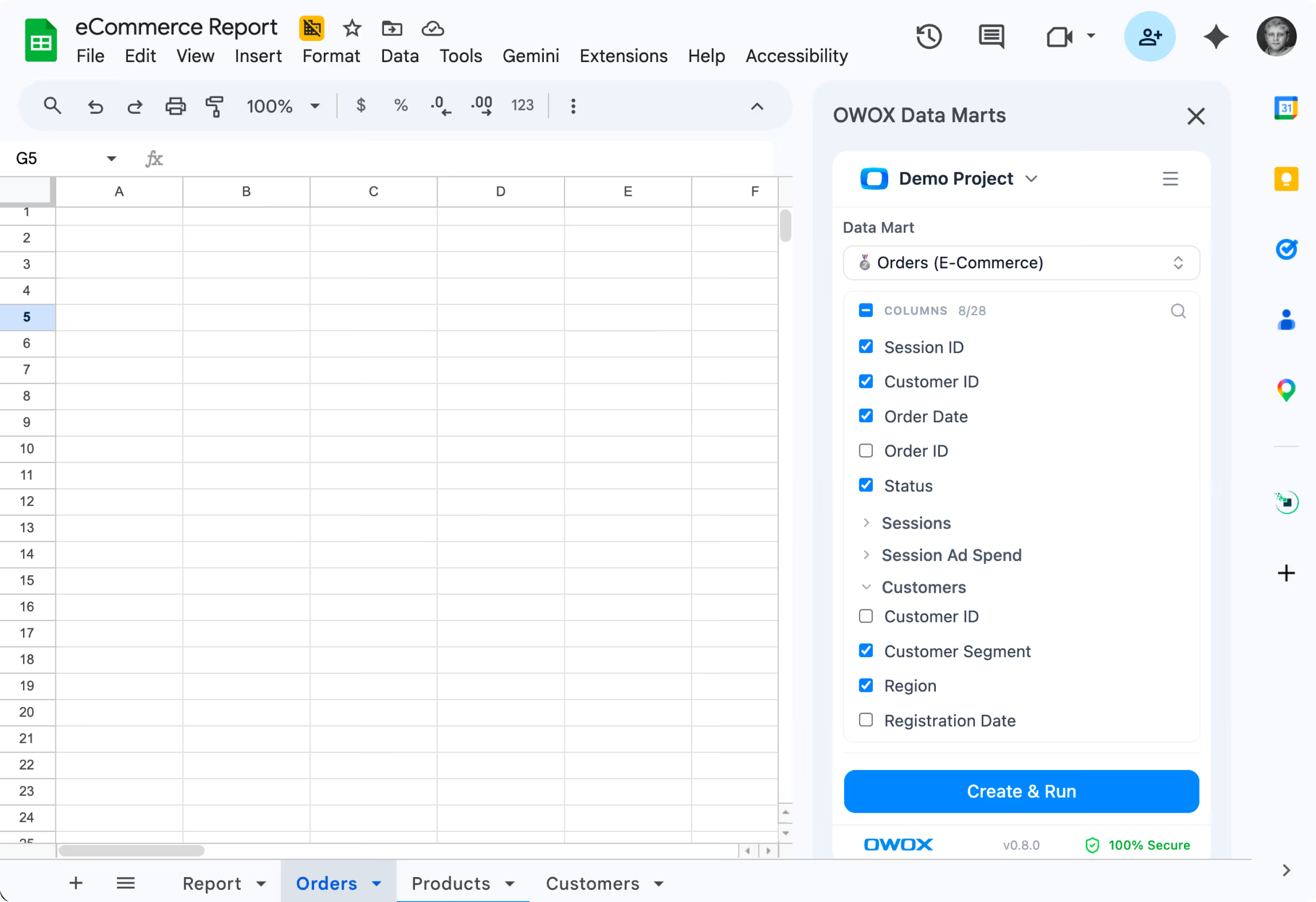

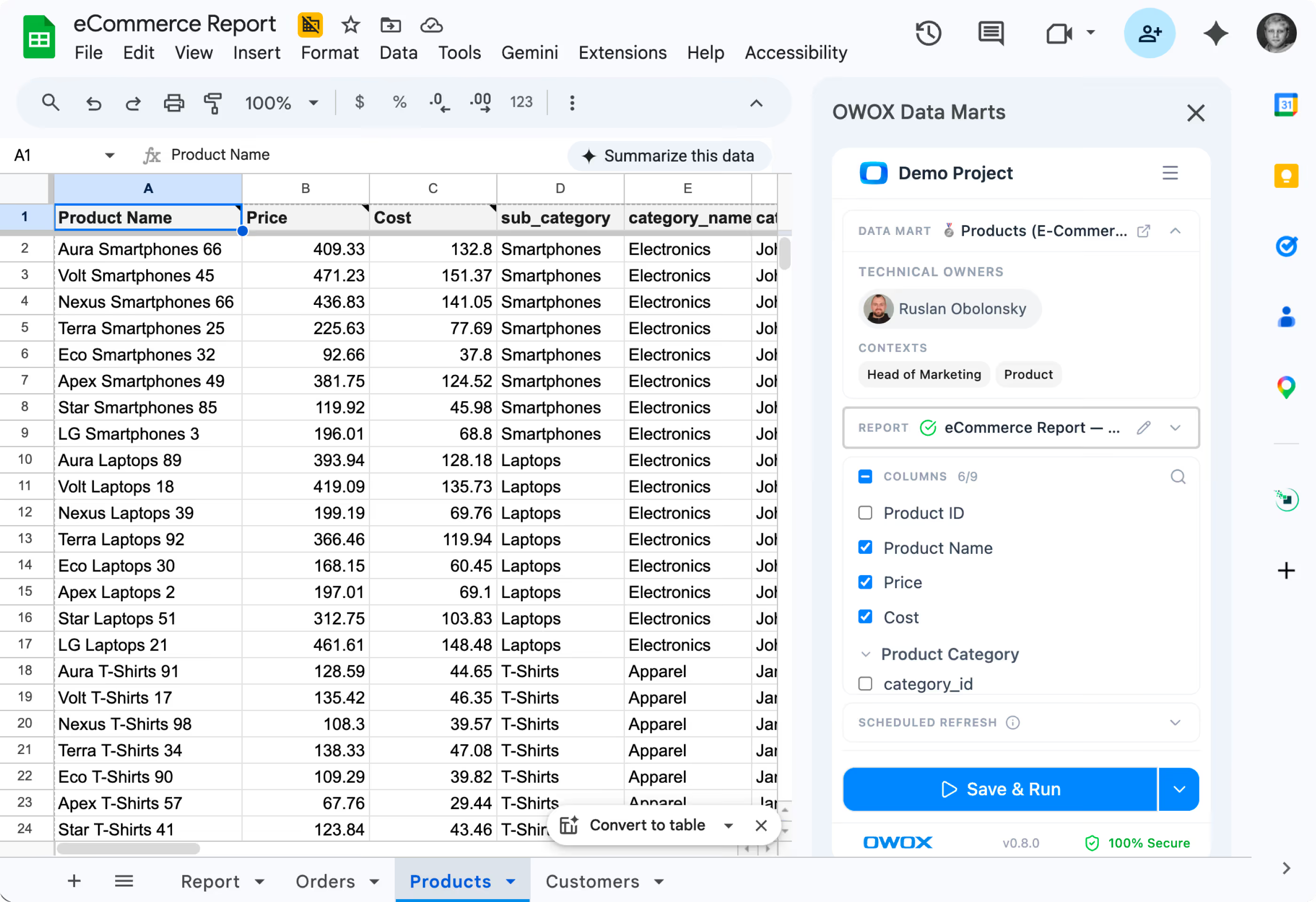
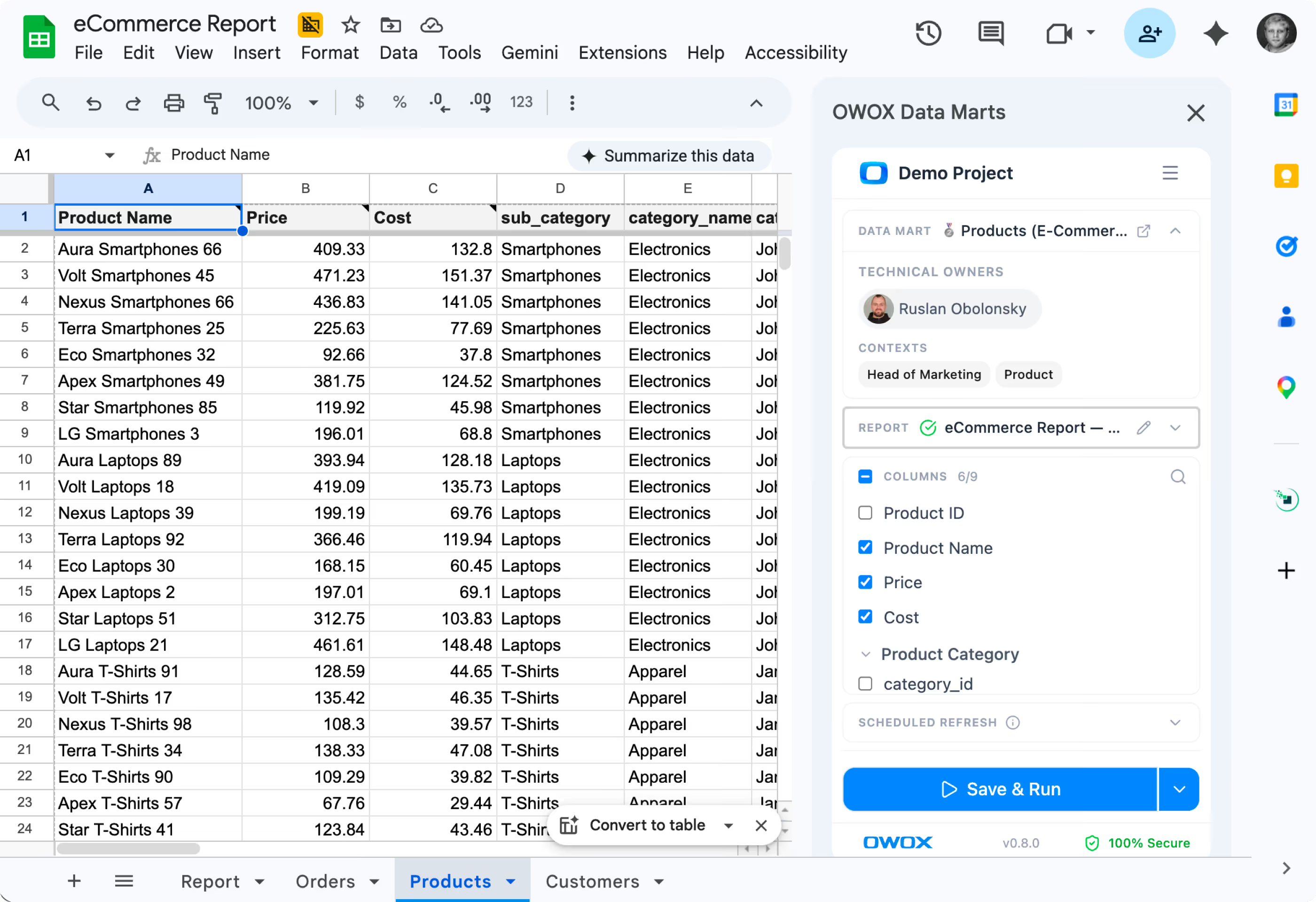
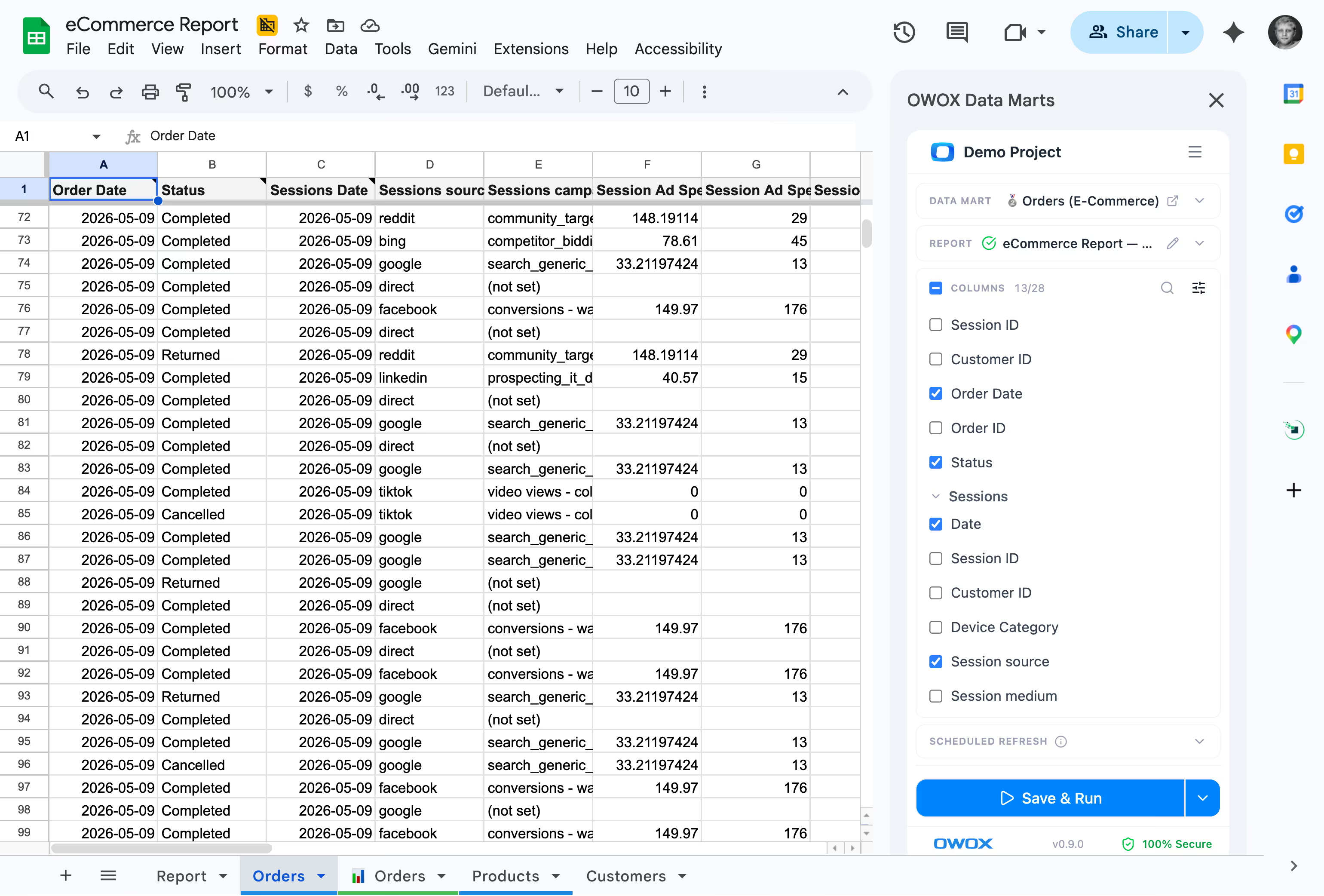
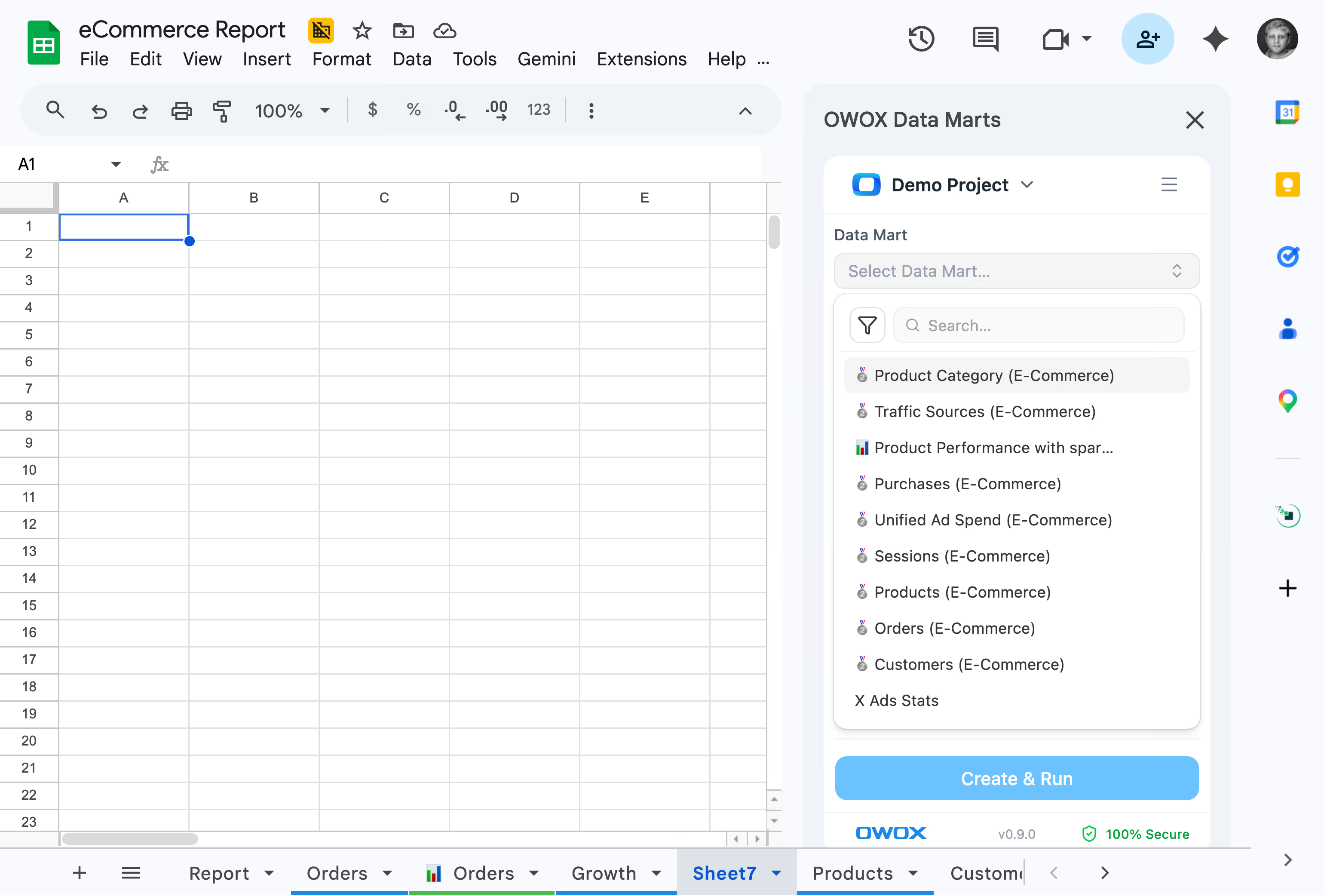
The OWOX sidebar puts your product Data Mart library inside Google Sheets. Browse, join, pick columns, refresh daily. Cross-system analytics without SQL.

Insights turn your product Data Marts into recurring narratives delivered on schedule. AI writes the summary. Every metric is deterministic SQL.

Send this to your data team. They’ll join orders, customers, marketing, and inventory. Your product team self-serves in Sheets this week.
Your data team joins the data. Your product team self-serves. AI delivers product intelligence. Category reviews start with answers.
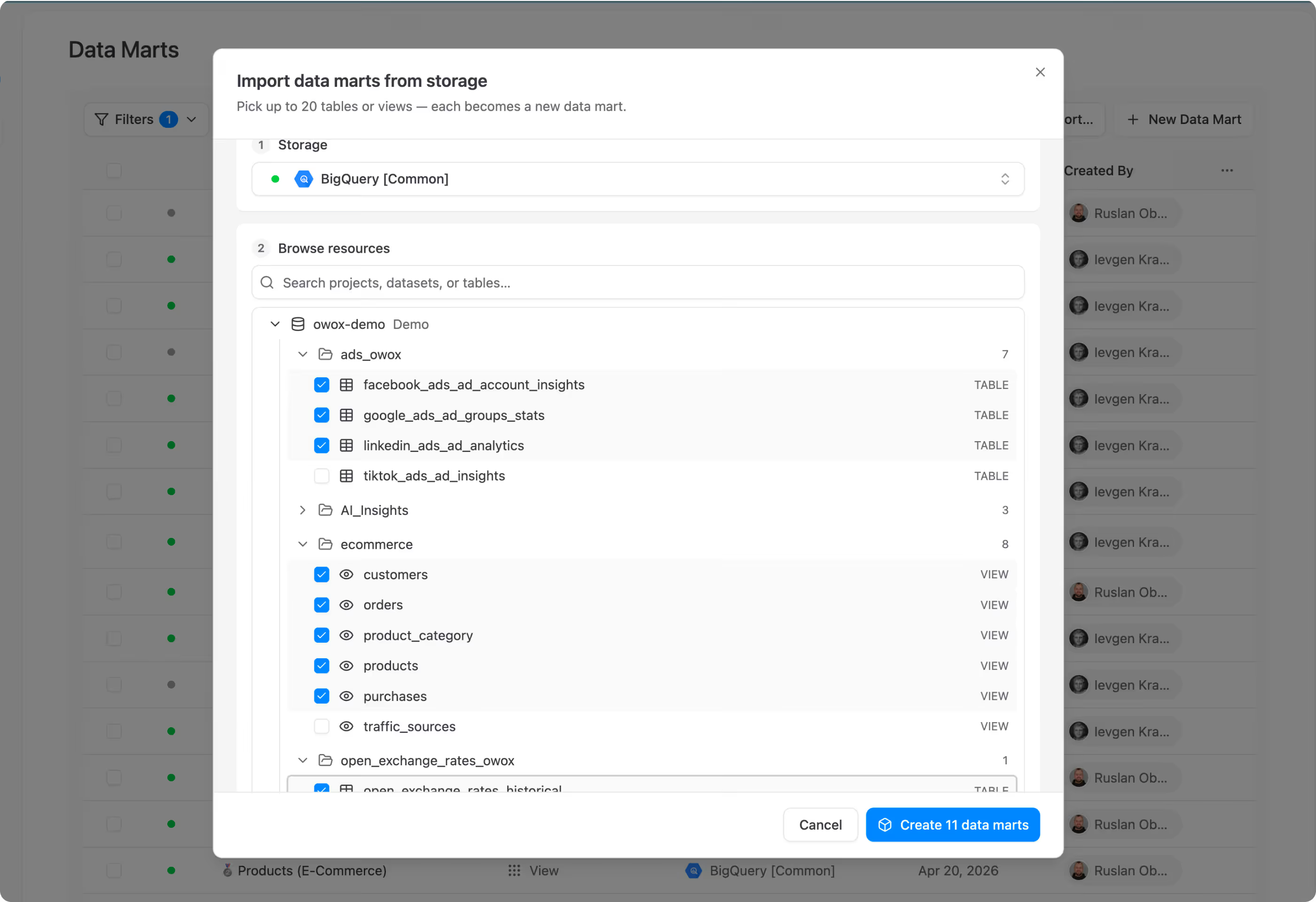
Orders, customers, marketing, and inventory joined and published as governed Data Marts. One definition per metric.
Category managers open Sheets, browse the library, pick columns, filter by product line, refresh daily.
Product narrative — top categories, cohort trends, inventory alerts — to Slack every Monday. Deterministic.


When every system’s data lives in one governed library, the product function transforms.
"Which categories drive repeat purchases from paid acquisition?" — a question that used to take a week now takes 30 seconds. The join is pre-built.
Marketing attribution joined with product performance. When product says "underperforming," marketing sees which campaigns targeted it.
When the product team self-serves cross-system data, your analyst works on demand forecasting, assortment optimization, and segmentation.
Product teams that joined every system’s data in one library
OWOX connects to the data warehouse where all this data lands. Most e-commerce teams already replicate Shopify orders, GA4 sessions, ad platform spend, and ERP inventory to a warehouse via Fivetran, Stitch, or native exports. OWOX sits on top: your analyst wraps each source as a Data Mart, defines join keys (order_id, customer_id, product_sku, campaign_id), and publishes the library. When your category manager joins "Category Performance" with "Inventory Levels" in Sheets, they’re running a pre-defined join across four systems — without writing SQL.
Cohort analysis requires joining acquisition data (which campaign, which channel, when) with purchase behavior over time (first order, repeat orders, LTV). That data typically lives in 3+ systems. Your analyst creates a "Customer Cohorts" Data Mart joining acquisition source with order history, defines the cohort logic in SQL, and publishes it. Your product manager opens Sheets, picks the cohort Data Mart, filters by acquisition quarter or channel, and sees repeat purchase rates, revenue per cohort, and retention — refreshed daily.
The Google Sheets Extension is a column picker. Your team browses Data Marts with names like "Category Performance" and "Customer Cohorts," checks the columns they want, applies filters, and hits refresh. No SQL, no query language, no new tool. The technical work happens once on your analyst’s side: define the Data Marts, set join keys, publish. The consumption side is point-and-click.
Amplitude and Mixpanel are excellent for product event tracking — clicks, page views, feature usage. But they only see behavior data. They can’t join it with order revenue from Shopify, marketing attribution from Facebook Ads, inventory from your ERP, or support data from Zendesk. OWOX sits on top of the warehouse where all your data converges. Your analyst wraps Amplitude exports, Shopify orders, ad platform data, and ERP inventory as Data Marts, joins them with defined keys, and publishes. Your product team gets something Amplitude can’t: "Which categories have the highest repeat purchase rate from TikTok-acquired customers, and what’s the current inventory?" — all in one Sheets report.
Cloud Starter is $30/month — includes Data Mart management and the Google Sheets Extension. Team plans from $875/month add AI Insights (weekly product brief), multi-destination delivery, and SLA. Enterprise is custom with SSO, RBAC, and monitoring. For context: building cross-system joins typically requires 2–3 weeks of analyst time per quarter — ad hoc, unreusable. OWOX turns those into governed, reusable Data Marts. Build once, self-serve for months.
First product Data Marts live in a few days — connect the warehouse, wrap your product, order, and customer tables, define join keys, publish. Your product team sees the library in Sheets immediately. A full cross-system library — categories × customers × marketing × inventory — typically takes about a week of analyst time. AI Insights deliver your first weekly brief the following Monday. No six-month project. Build incrementally: start with the questions that come up in every category review.
Send this to your data team. They’ll join orders, customers, marketing, and inventory. Your product team self-serves in Sheets.
See how your product data flows from Shopify, GA4, and your ERP to governed Data Marts to Sheets — with your actual catalog in mind.